Editorial policyKKSL News
KKSL News Editorial Policy
How KKSL News chooses, researches, checks and corrects its explainers. This policy applies to every article on the site.
By Clara BenningLast updated
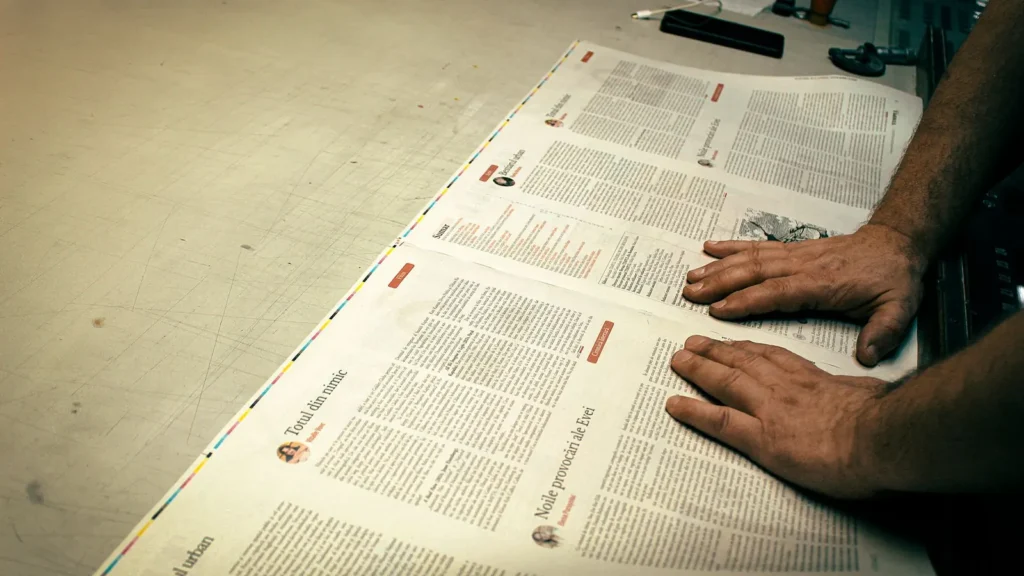
Photo: Samborskaya Anastasia / Pexels
What we publish
Evergreen explainers: how technology, science, weather, space and household machines work, and why everyday things happen. We do not publish breaking news, politics, crime, tragedies, or medical, legal or financial advice.
Sources
Every explainer cites at least one primary source: a standards body (such as NIST, IEEE or the Bluetooth SIG), a government agency (such as NASA, NOAA or the Department of Energy), a university, or the manufacturer’s own documentation. Encyclopedias and news articles can support a point but never replace a primary source. Each article lists its sources at the end and marks the primary ones.
Numbers, dates and claims
Every number, date and technical claim must appear in a source we have opened. If sources disagree, we say so. We never invent quotes, experts, test results or statistics, and we do not say we tested a product when we did not.
Safety topics
When an article touches safety (smoke alarms, microwaves, batteries), we repeat the guidance of the official body that sets it and link to that body. We do not add our own safety advice.
Diagrams, tables and photos
Diagrams and tables are drawn by KKSL News from the sources listed under them. Photos are real photographs from Pexels, used under the Pexels license and credited to the photographer. We do not use AI-generated images.
Updates and corrections
Every article shows the date it was last updated. When we find or are told about an error, we fix it, change the date and add a note to the corrections log. Send corrections through the contact page.
Independence
KKSL News is an independent explainer site. It is not connected to any earlier website that used the KKSL News name.
Our standards
- Every explainer opens with an answer you can read in 60 seconds.
- Each one cites at least one primary source: a standards body, agency or maker.
- Every page shows when it was last updated.
- Errors are fixed and logged on the corrections page.