TECH
What Is an eSIM and How Does It Work?
The SIM moved from a plastic card to a chip inside the phone. Here is what that chip holds and how a carrier profile…
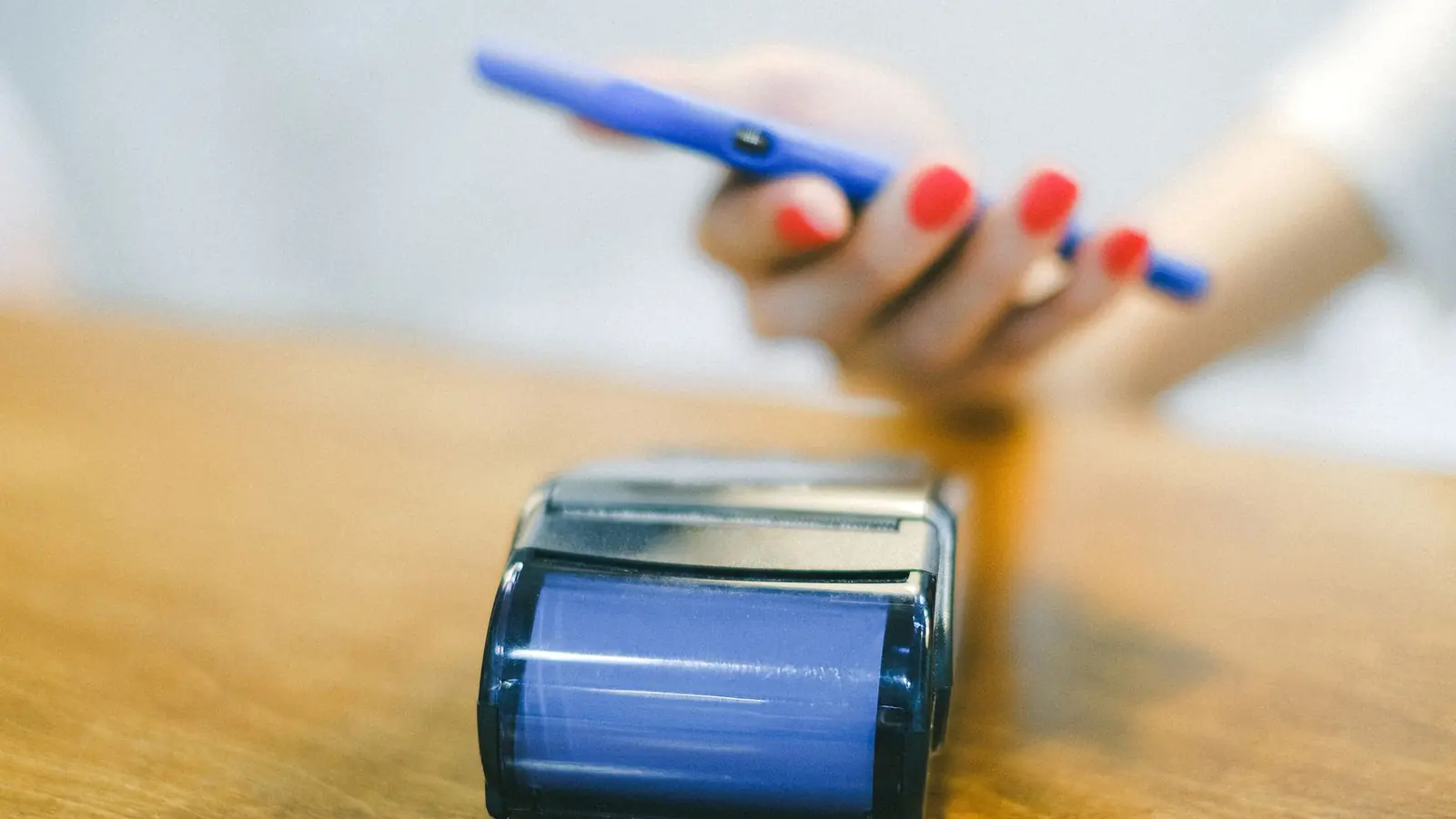
You hold a card or phone near the checkout reader, it beeps, and the purchase is done. So how does tap to pay work in that short moment? It is a tiny radio conversation, a bit of cryptography and a message to your bank, all run by shared industry standards.
At KKSL News we keep it simple: below is what the reader, the card or phone, and the bank each do, one step at a time.
Tap to pay rides on near field communication, or NFC. The NFC Forum, the industry group that maintains the technology, describes it as a short-range wireless link between devices “just a few centimeters apart” that runs at 13.56 MHz. The figure most often quoted is about 4 cm, or roughly an inch and a half.
That short range comes from how NFC works. The reader and the card each contain a flat coil of wire, a loop antenna. When the two coils are close, they couple magnetically, a bit like the two halves of a transformer with air in between. Pull them apart and the link fades fast; in practice it rarely works past about 10 cm.
The same field also carries power. A plastic card has no battery. The reader’s field supplies the energy the card’s chip needs for the moment it sits in range, which is why only one side of an NFC link has to be powered.
The terminal sends out its field. When a card enters it, the chip powers up and the two sides start trading messages under the EMV contactless specifications, written by EMVCo, the technical body that sets the rules for chip payments.
The most important message is the security code. EMVCo says a one-time-use security code is created for each transaction, and that contactless payments use cryptographic functions that make them more secure than magnetic stripe cards. Think of it like a ticket stamp that changes with every ride: the stamp from your last trip does not fit the next one.
A phone does the same NFC exchange, but it behaves like a card that asks permission first. Apple’s documentation for Apple Pay is a clear example of the design. When an iPhone or Apple Watch detects a reader’s NFC field, it offers your chosen card. Then:
The Device Account Number is a stand-in for your card number. Apple says it does not store the original card numbers added to Apple Pay, and that neither Apple nor the device sends your actual card number to the store. The Device Account Number itself sits in the Secure Element and is never backed up to iCloud.
Diagram · KKSL News
What happens during a tap
Read from top to bottom: the red step is the one-time code that makes each tap different from the last.
Source: Apple Platform Security: Payment authorization with Apple Pay, NFC Forum: What is NFC?
Apple calls the code a cryptogram, a one-time code computed from two ingredients: a transaction counter and a secret key. The counter goes up by one with every new payment. The key is loaded into the payment app on the chip when the card is first set up, and it is known to the payment network, the card issuer or both.
Because the counter keeps moving, each purchase produces a different code. Someone who copied one code would hold a value tied to a counter number that has already been used. The bank, holding the same key, can work out what the correct code should be and compare.
The terminal does not decide whether you can pay. It passes the account number and the one-time code along, through the card network, to the bank that issued the card.
That bank checks the code. Apple’s security guide says the codes are sent to the issuer, which allows the issuer to verify each transaction. If the code matches what the issuer expects for that card and that counter value, the purchase can go ahead. So the short tap at the counter is only the first leg of the trip; the final yes or no comes from the bank.
NFC is built for very short distances. The NFC Forum describes it as working between devices a few centimeters apart, and the working range rarely goes past about 10 cm.
With Apple Pay, no. Apple says the phone sends a Device Account Number and a transaction-specific code, and that neither Apple nor the device sends the actual card number.
No. The card's chip and antenna draw the small amount of power they need from the reader's 13.56 MHz field while the card is held close.
Sources
Spotted an error? Read our editorial policy or tell us. Fixes are logged on the corrections page.
The SIM moved from a plastic card to a chip inside the phone. Here is what that chip holds and how a carrier profile…
5 min read